
English
Views: 13 Author: Site Editor Publish Time: 2026-02-26 Origin: Site
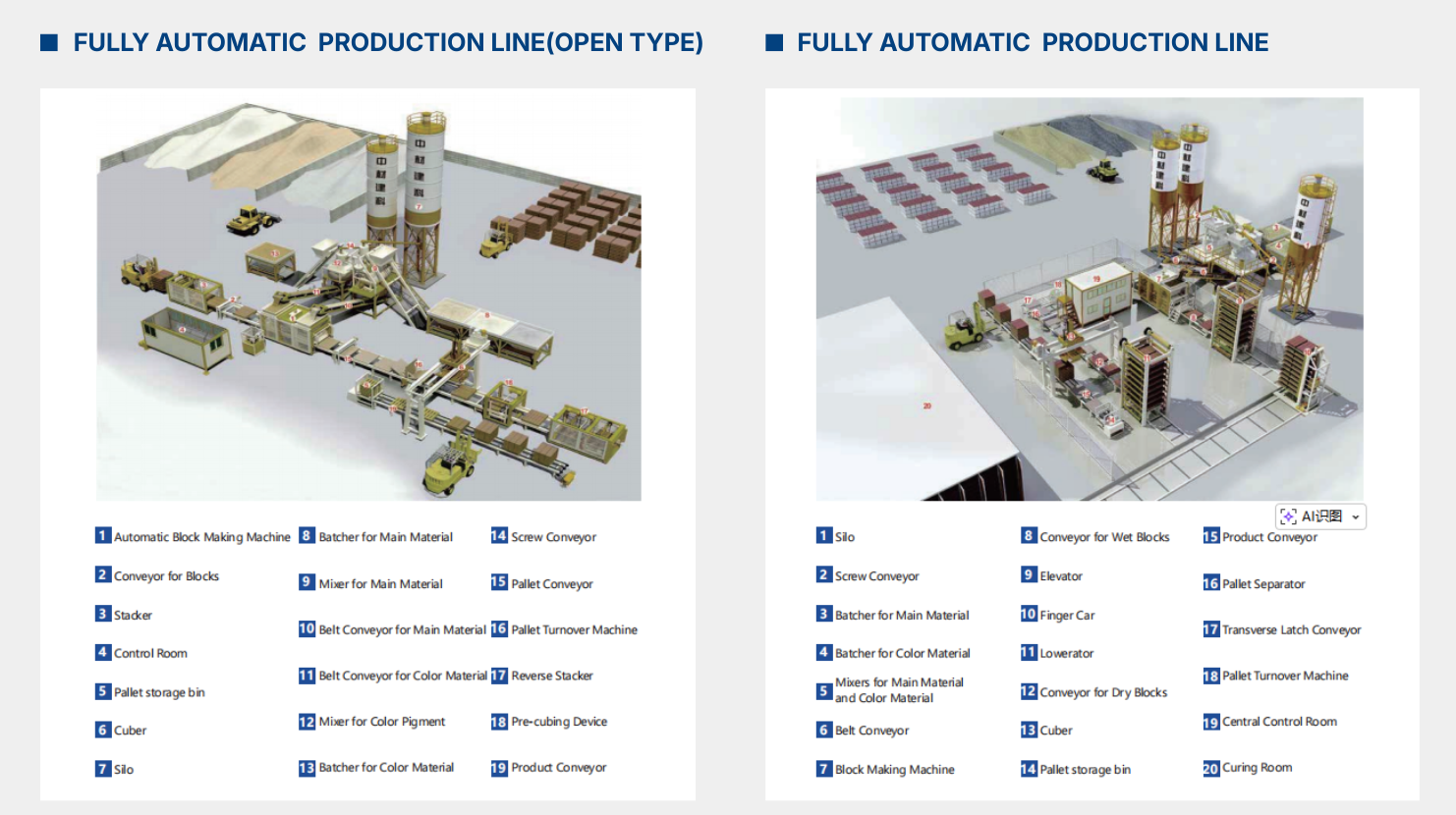
ZCJK fully automatic open-loop and closed-loop block production line overview.
Introduction: The Crossroads of Fully Automatic Block Production Line Investment
For large-scale building material manufacturers and government contractors, investing in a fully automatic block production line is not just equipment procurement — it is a long-term strategic decision.
After operating semi-automatic or entry-level systems, many well-funded buyers eventually face a critical upgrade question:
Should I choose an open-loop fully automatic block production line or a closed-loop system?
Both configurations belong to industrial-grade, high-output solutions. However, they differ significantly in:
Initial investment level
Factory layout requirements
Labor dependency
Real daily production efficiency
Long-term ROI
Based on real project data and engineering experience from ZCJK, this guide explains the structural and financial differences so you can determine which production line configuration delivers higher ROI for your market.
Core Structural Difference Between Open-Loop and Closed-Loop Block Production Lines
The essential difference lies in how wet blocks are transferred and cured after molding.
Fully Automatic Open-Loop Block Production Line
ZCJK's Fully Automatic Production Line (Open Type) includes approximately 19 core components. After molding, wet blocks are stacked automatically. However, a forklift operator must transport stacked wet blocks to a natural curing yard. The curing process relies on open-air or shed-based natural curing.
Fully Automatic Closed-Loop Block Production Line
ZCJK's Fully Automatic Production Line includes approximately 20 core components. Instead of stacking wet blocks outdoors, the finger car transfers pallets directly into a controlled curing chamber. No forklift is required for wet block transfer. This creates a seamless 24/7 circulation system.
Production Line Data Comparison: Land, Labor & Capacity
Using ZCJK’s popular industrial models (ZC900 and ZC1000) as reference:
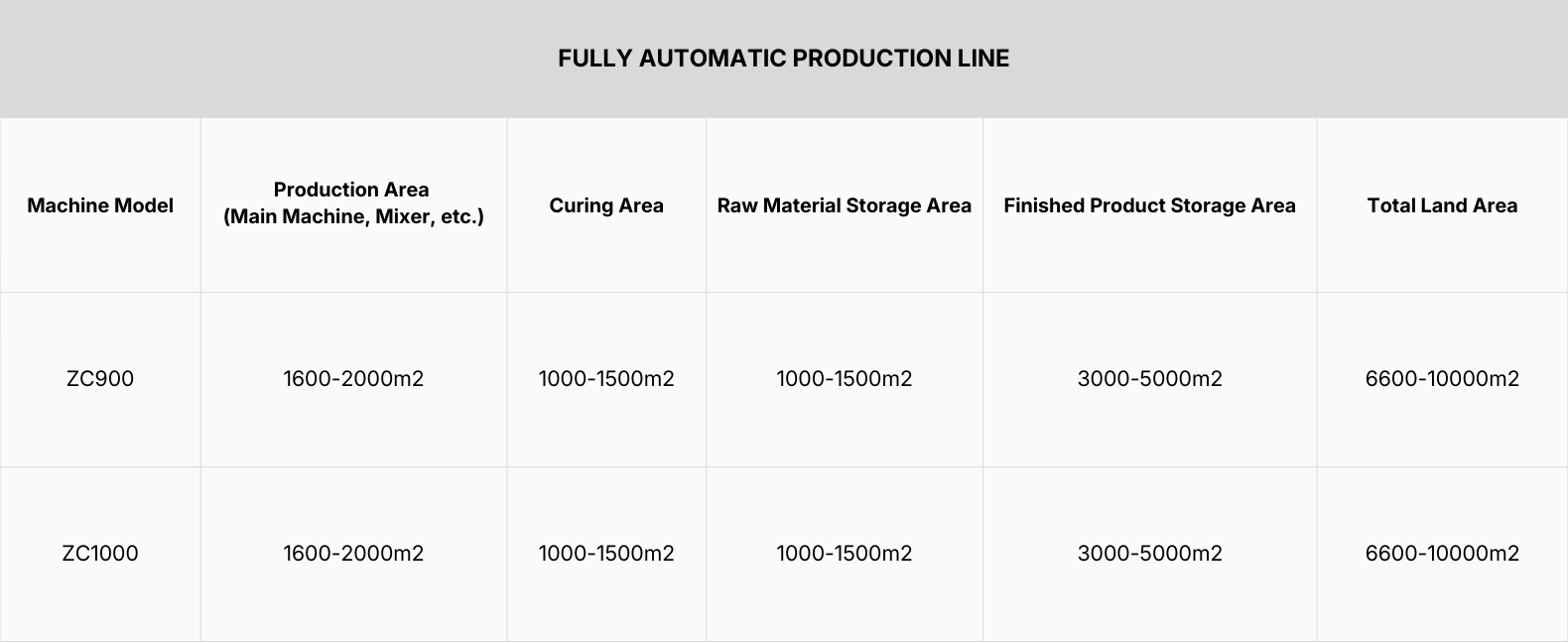
A. Factory Land Requirement
For both open-loop and closed-loop fully automatic block production lines, the detailed comparison data are shown in the figure below:
Important note:
Although total ground area may be similar, closed-loop systems require higher factory roof clearance due to vertical curing chambers.
B. Labor Requirement Comparison
A fully automatic block production line generally requires 3–5 workers.
Open-loop system: 4–5 workers. Includes forklift driver for wet block transportation
Closed-loop system: 2–3 workers. Control room operator + inspection. No forklift driver required
In regions where labor cost is rising, this difference significantly affects long-term operational expense.
C. Capacity & Efficiency Comparison
(Reference: NCMA statistics and global industry observations)
With the same main molding machine:
A closed-loop fully automatic block production line typically achieves 15–30% higher real daily output compared to open-loop systems.
Reasons:
No forklift speed limitation
No driver fatigue factor
Continuous pallet circulation
Accelerated curing cycle
Reduced wet block damage
This results in more stable monthly output and higher annual ROI.
D. Investment Level Comparison (Open-Loop vs Closed-Loop)
From an investment perspective:
Open-loop system:
Lower initial capital requirement
No curing chamber investment
Suitable for markets with lower labor costs
Faster initial payback in developing regions
Closed-loop system:
Higher upfront investment (curing chamber + transfer system)
Reduced long-term labor cost
Higher capacity utilization
Better block strength consistency
Suitable for government and infrastructure projects
For investors planning long-term expansion and premium market positioning, the closed-loop production line often demonstrates superior ROI over a 5–10 year horizon.
Target Market Recommendation by Region
Based on project experience from ZCJK's global installations:
Recommended for Open-Loop Systems
Suitable for: Africa (e.g., Uganda, Tanzania), Parts of Southeast, Asia.
Why:
Lower land and labor costs
Lower upfront investment
Faster startup
Flexible expansion
Recommended for Closed-Loop Systems
Suitable for: Middle East, South America, Government contractors in Southeast Asia.
Why:
Rising labor cost
Strict municipal block standards
Need for high-strength pavers
Weather-independent production
Real Project Case: ZC1500 Closed-Loop Installation
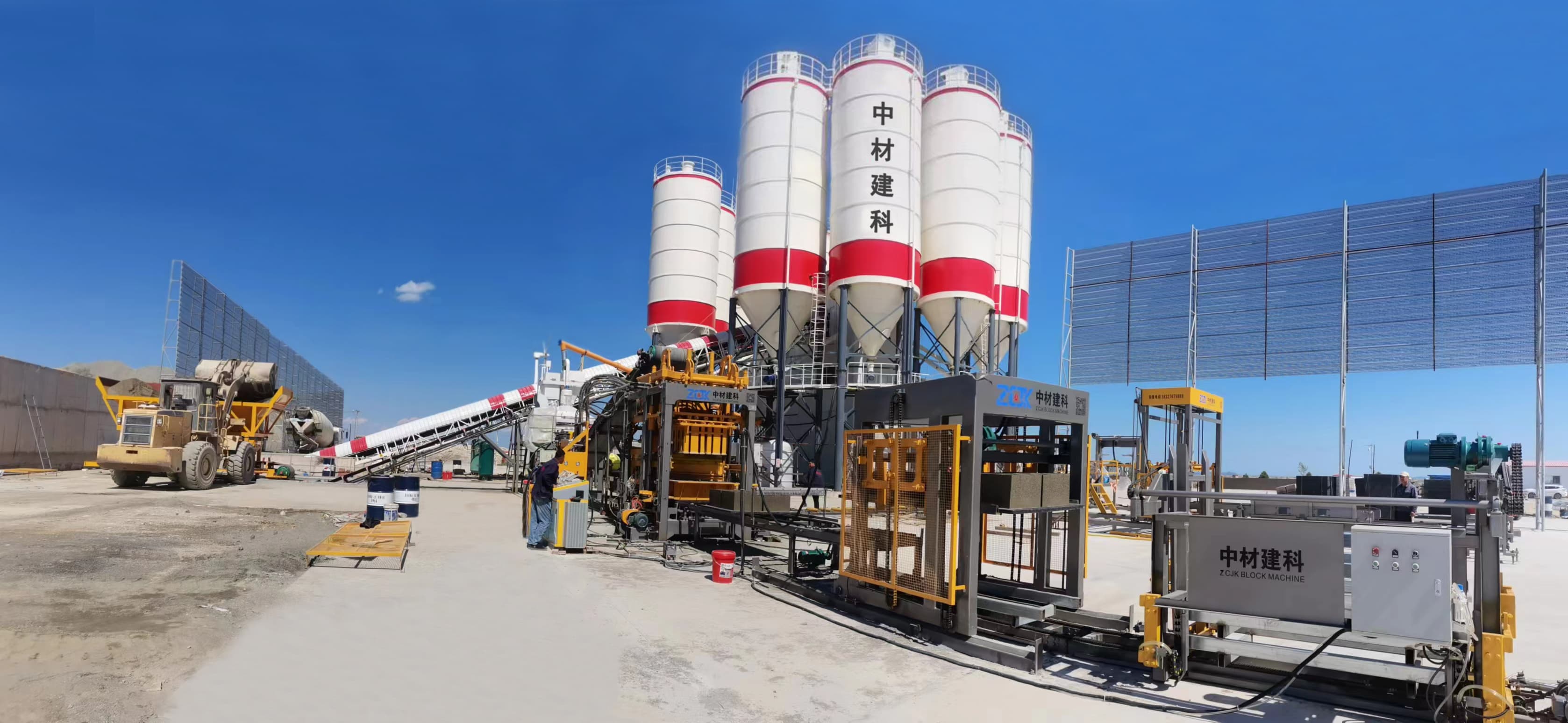
ZC1500 fully automatic closed-loop block production line with finger car installed at client site.
A large-scale building material manufacturer partnered with ZCJK to install a fully automatic closed-loop block production line based on the ZC1500 model.
The client selected the closed-loop system to:
Reduce labor reliance
Increase production stability
Achieve consistent block strength
Meet government infrastructure standards
Today, this factory operates as one of the most automated and productive block plants in its region.
Why Leading Investors Choose ZCJK
Established in 2002
Exported to Africa, Middle East, South America, Southeast Asia
Supports on-site factory inspection and video factory audit
Core components use Siemens motors and international hydraulic brands
Participates in Canton Fair twice every year
Provides customized land layout and ROI analysis
ZCJK focuses on delivering not just machines, but complete fully automatic block production line solutions.
Ready to Start Your Block Production Project?
Get your customized solution including:
2026 latest price quotation
Full production line layout plan
Model comparison chart
Contact us to request your 2026 Fully Automatic Block Production Line Catalog & Price List today.


